Maren Elwood
Editorial byline, Garden Craft Guide
Maren Elwood is the editorial byline for Garden Craft Guide's review desk. Articles are drafted with AI assistance and reviewed before publication; horticultural claims are traced to extension services and published trials rather than personal anecdote. Corrections and questions: [email protected]
Articles by Maren Elwood
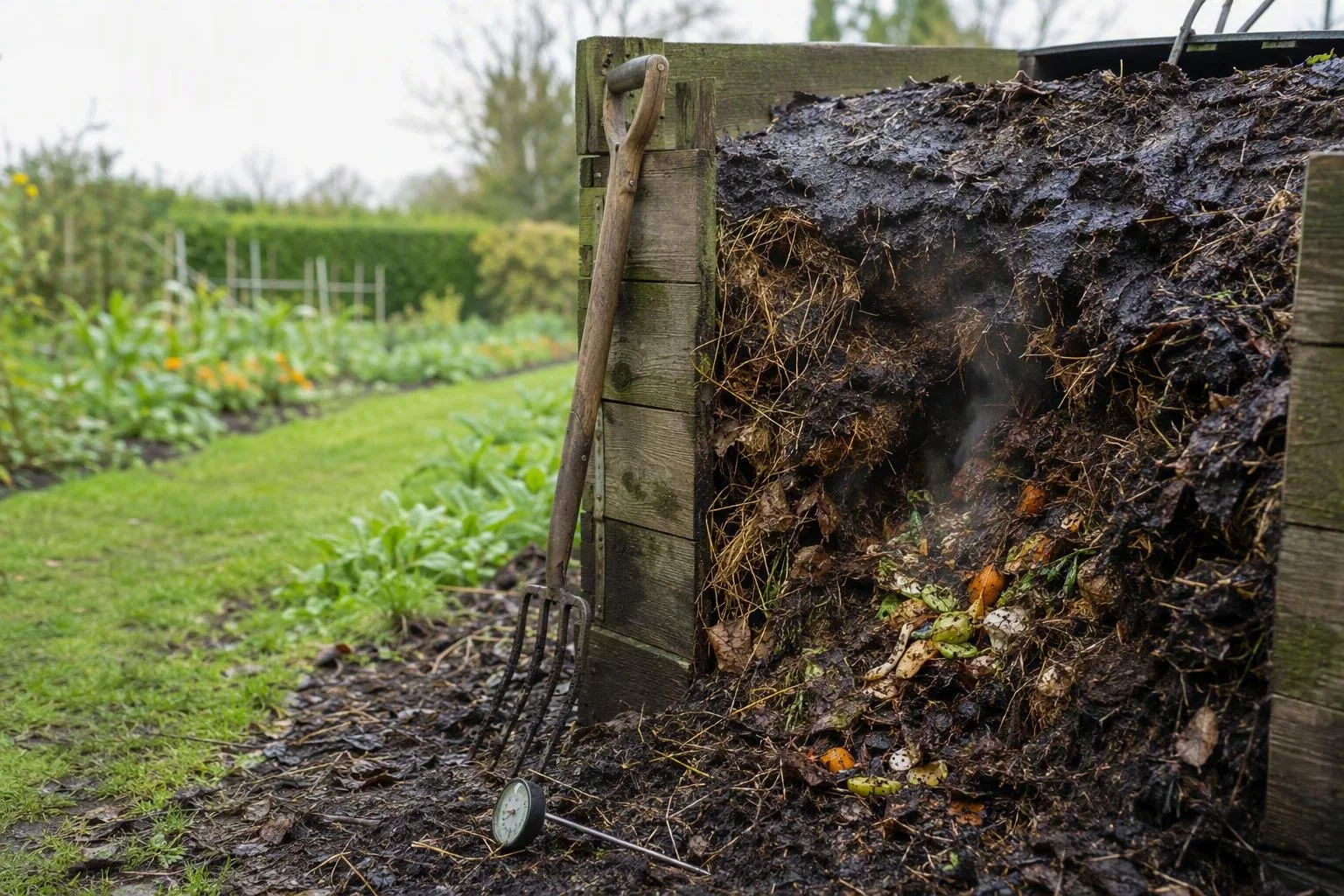
Composting: Why Your Heap Stalls and How to Make It Heat
A stalled compost heap usually needs better air, moisture, balance, or scale—not an activator. Diagnose the cause and rebuild it to heat.
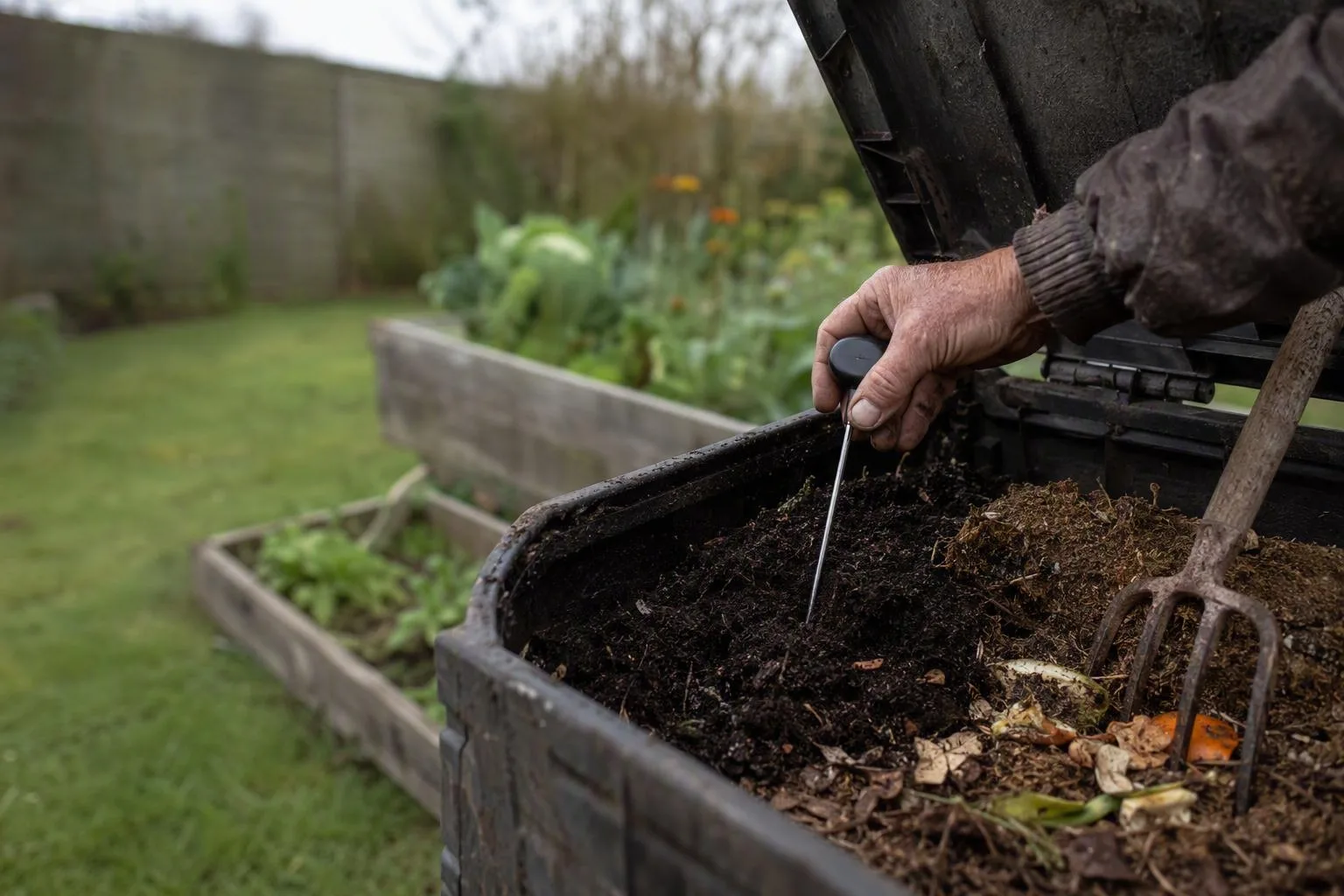
Composting Bin: What to Add When Your Pile Won’t Heat
A cold composting bin usually needs the right mix, moisture, airflow, and volume—not activator. Diagnose and restart it with this practical rescue pla
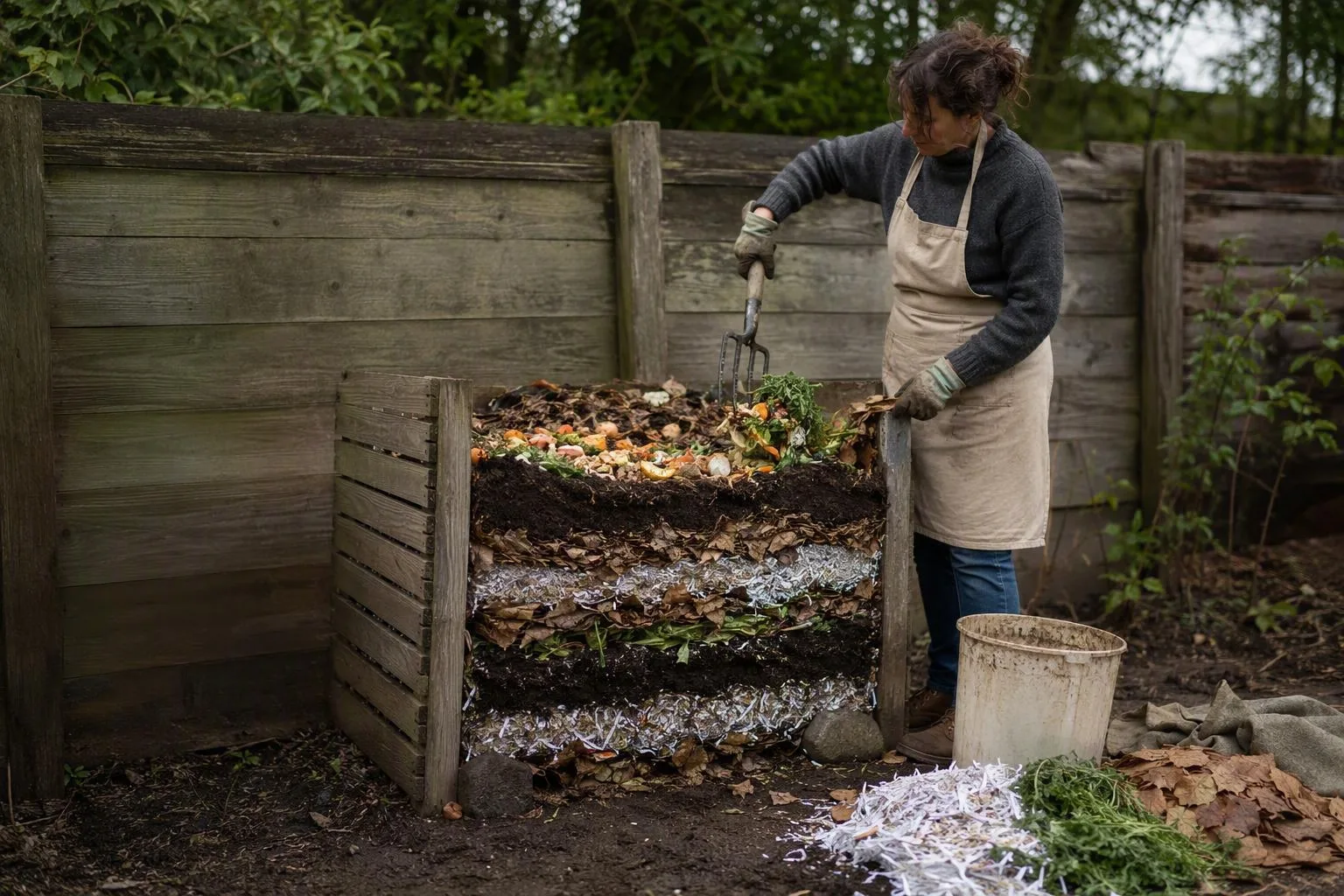
Composting for Beginners: Build a Heap That Actually Heats
Composting for beginners: build a heap that heats by balancing moisture, air, mass, greens, and browns, then diagnose cold, wet, or sour batches.
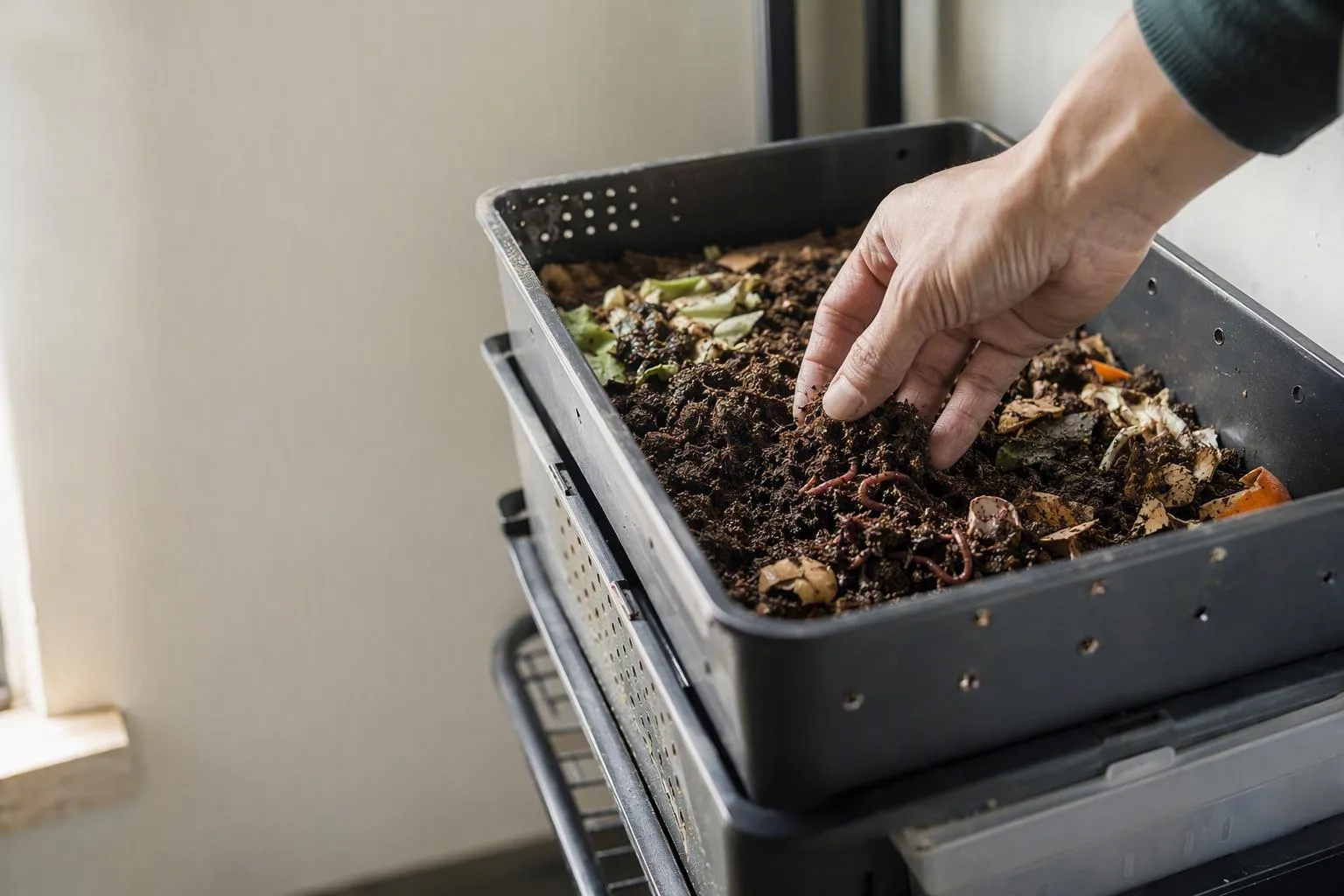
Composting Worms: The Bin Setup That Prevents Mass Die-Off
Set up a composting worm bin that avoids mass die-off with loose bedding, ventilation, careful feeding, and practical seasonal troubleshooting.
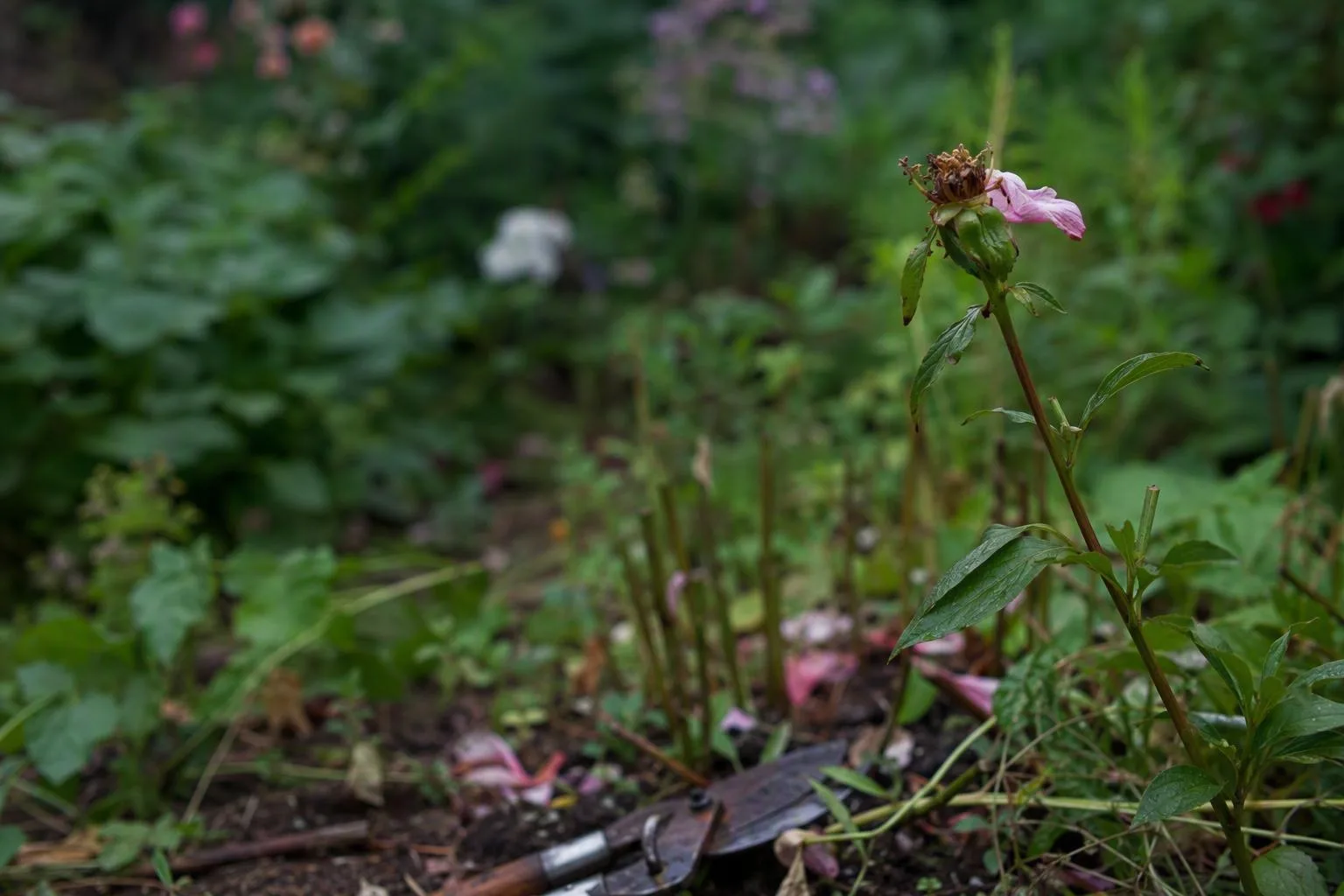
Deadheading: What the Cut Redirects—and When It Backfires
Deadheading redirects a plant’s resources, but the cut can also remove seed, buds, leaves, or winter structure. Learn where and when to stop.

Deadheading Dahlias: Where to Cut for More Blooms All Season
Deadheading dahlias correctly means cutting the spent stem back to living growth. Learn where to cut, what to leave, and how to keep blooms coming.
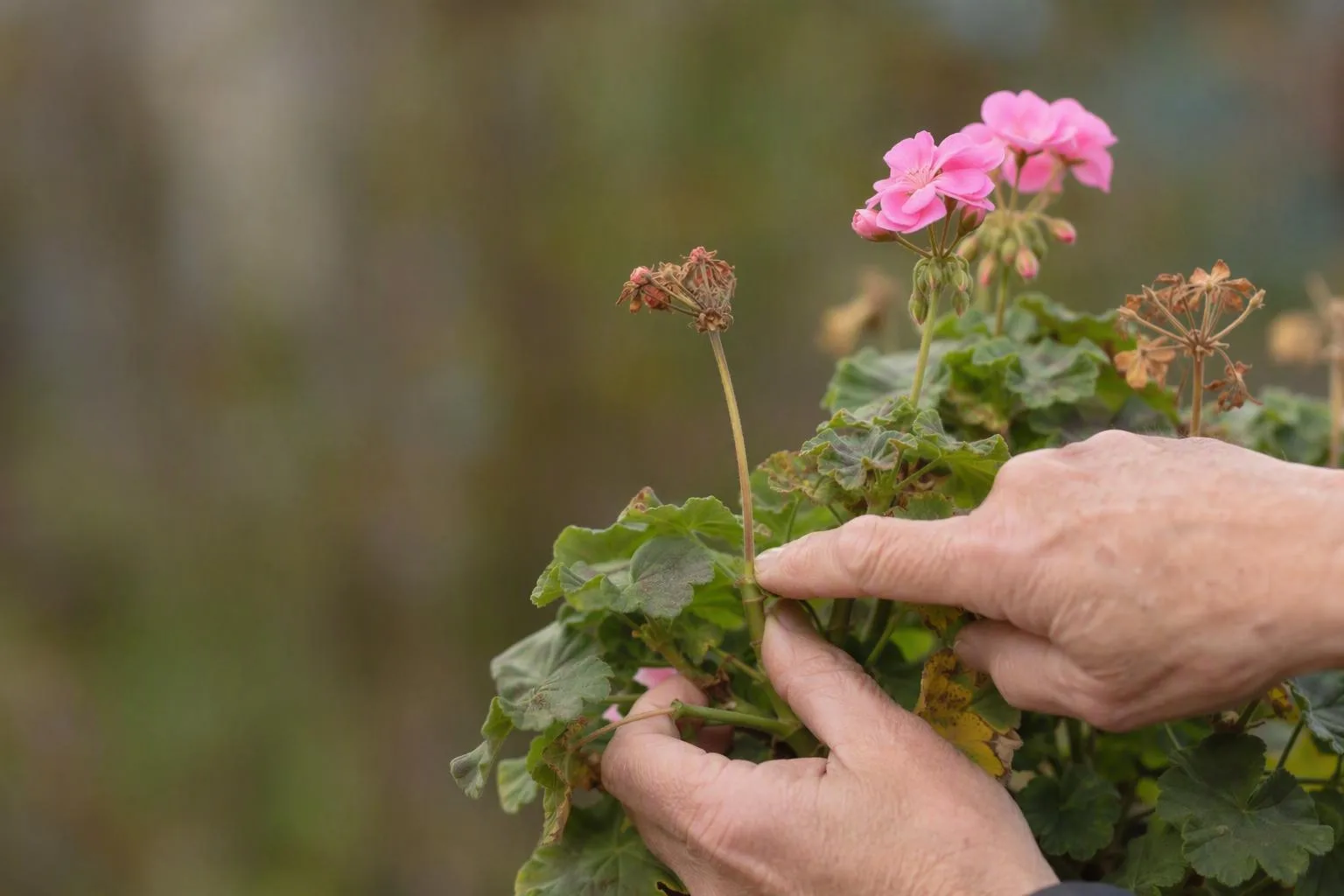
Deadheading Geraniums: Where to Cut for More Flowers
Deadheading geraniums correctly means removing the whole spent flower stalk at its base. Learn the cut, timing, exceptions, and failure signs.

Deadheading Hydrangeas: When to Cut Without Losing Blooms
Learn when and where to deadhead hydrangeas without cutting next year's buds, with species-specific timing for bigleaf, oakleaf, panicle, and smooth t
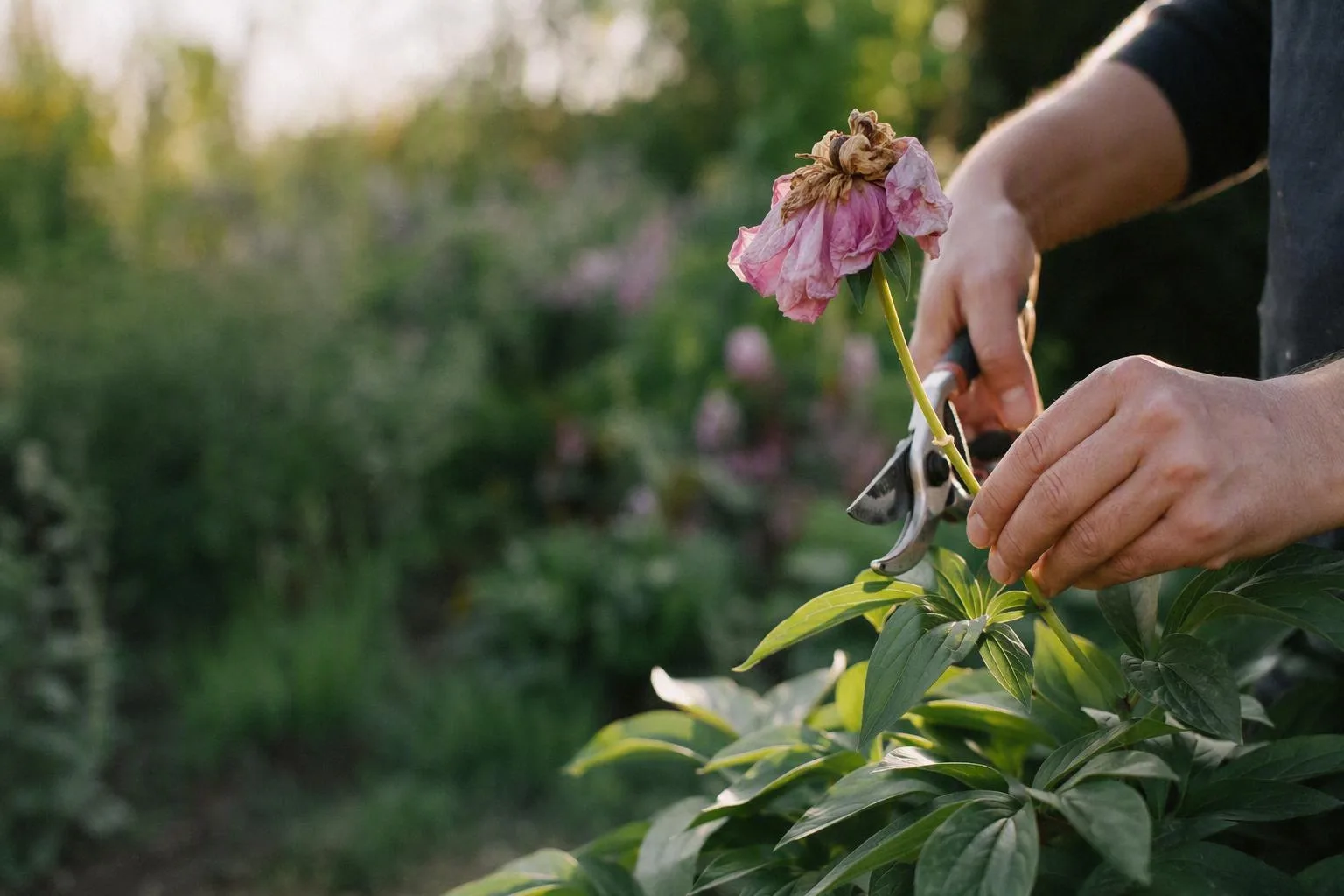
Deadheading Peonies: Where to Cut and When to Stop
Deadheading peonies is simple: cut spent blooms to the first healthy leaves, keep the foliage, and use different autumn rules for herbaceous, Itoh, an
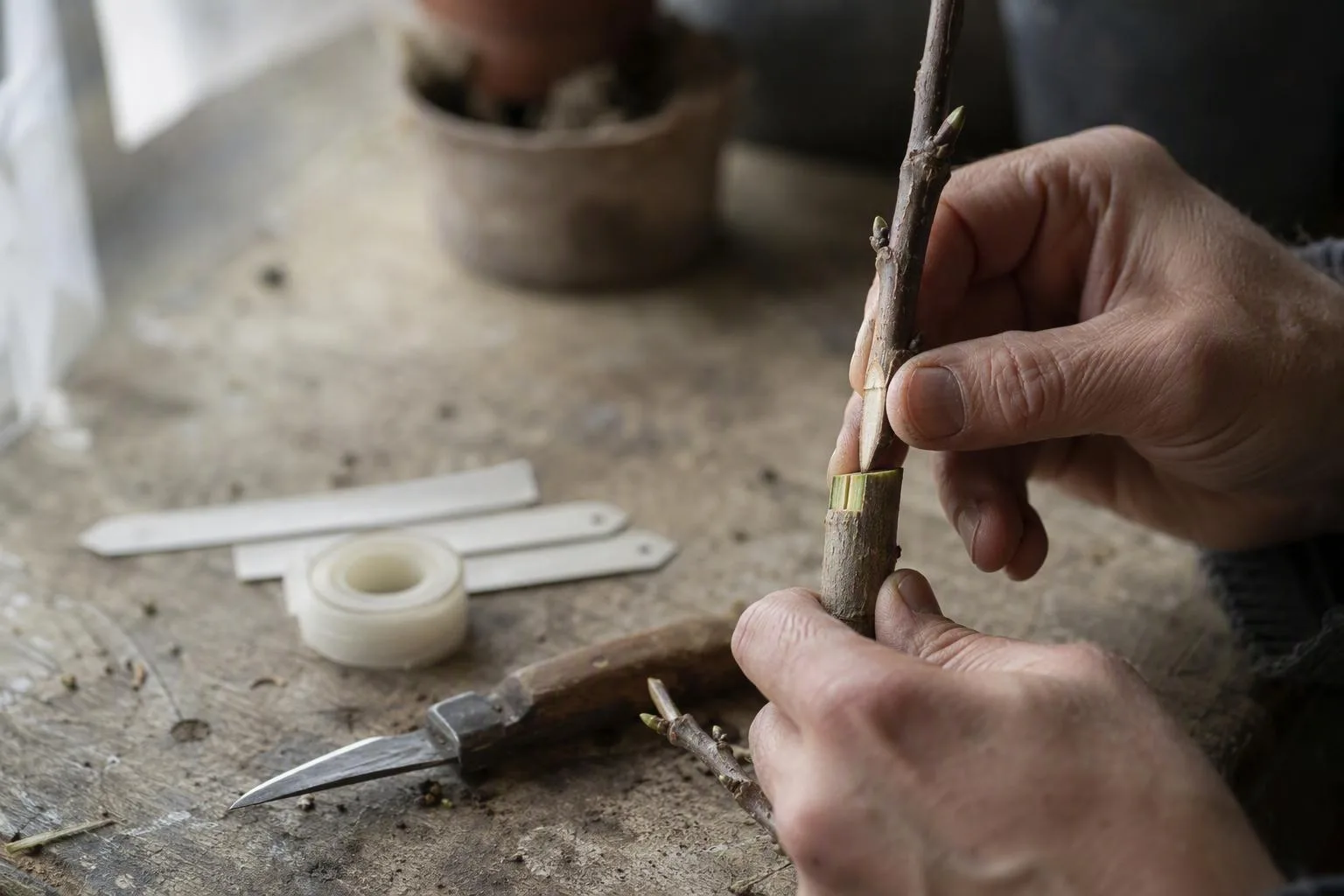
Grafting Success: The Cambium Rule, Timing, and Take Rates
Successful grafting starts with one cambium edge, the right season, and careful aftercare. Compare methods, diagnose failures, and track real take rat
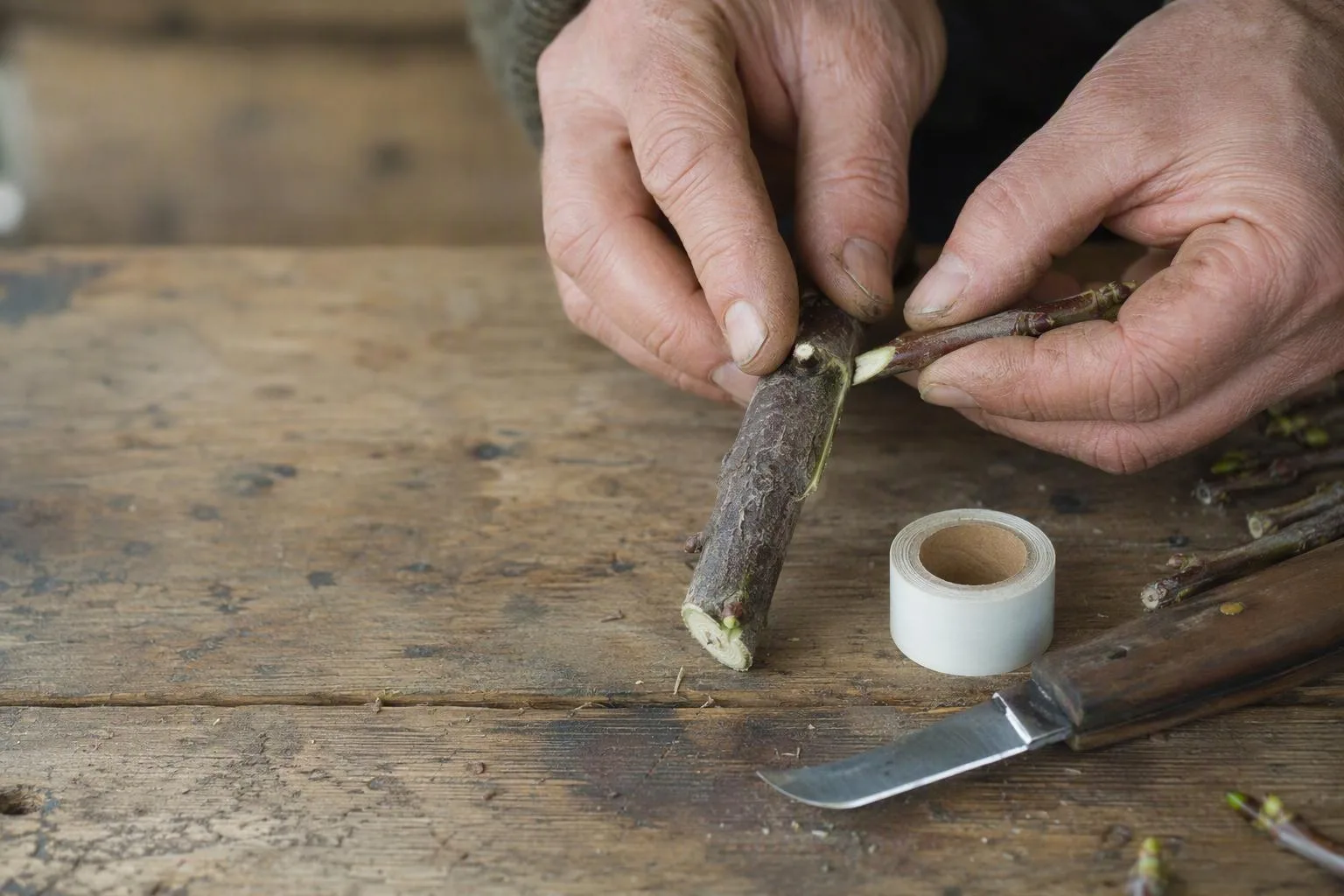
Grafting Apple Trees in Spring: Cambium Contact Explained
Grafting apple trees in spring depends on cambium alignment, not a calendar date. Learn the cuts, methods, timing, and six-week aftercare that protect
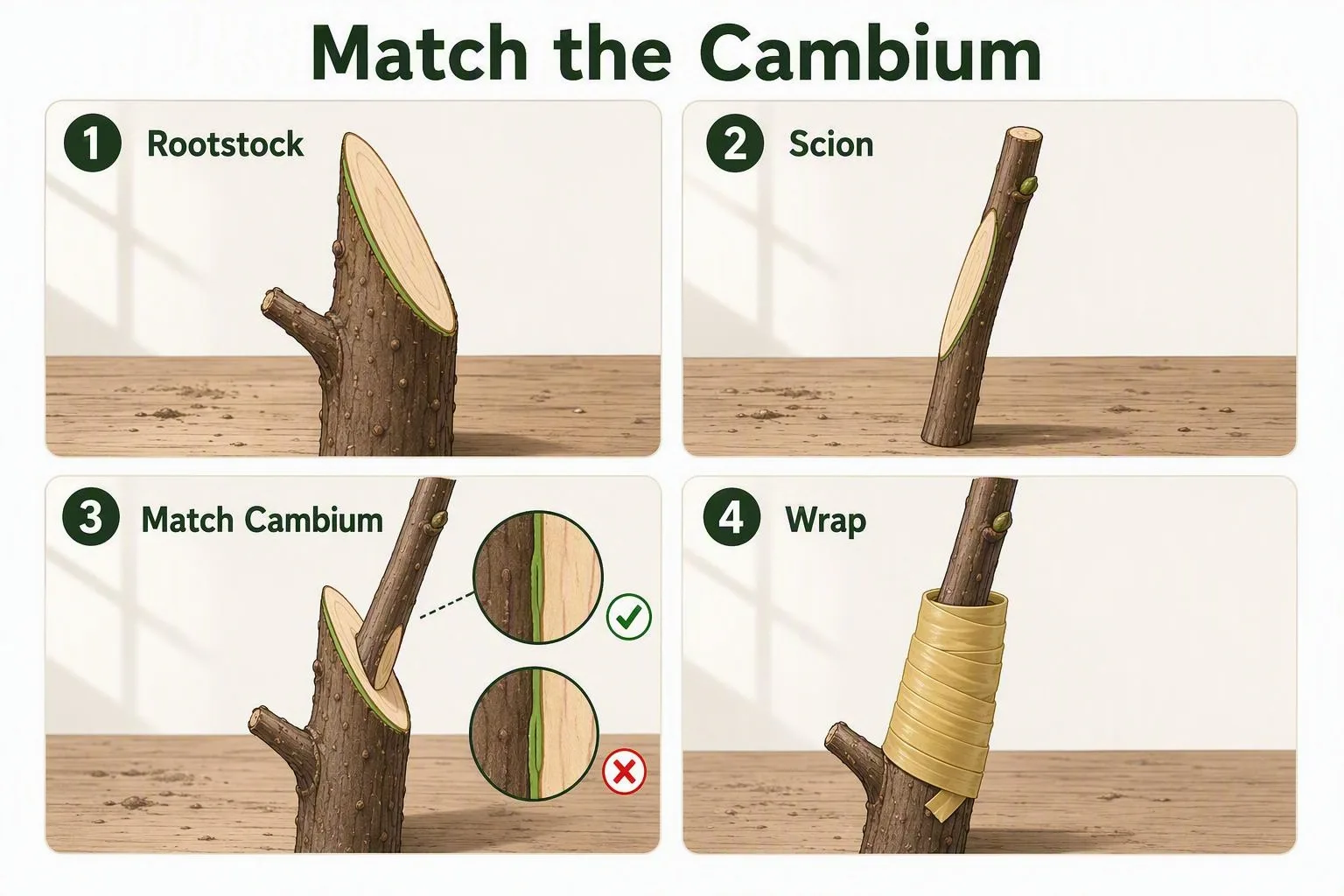
Grafting Diagram for Beginners: Match the Cambium, Not the Bark
A beginner’s grafting diagram showing cambium alignment, three cuts, safe whip-and-tongue steps, timing, aftercare, and the failure signs bark can hid
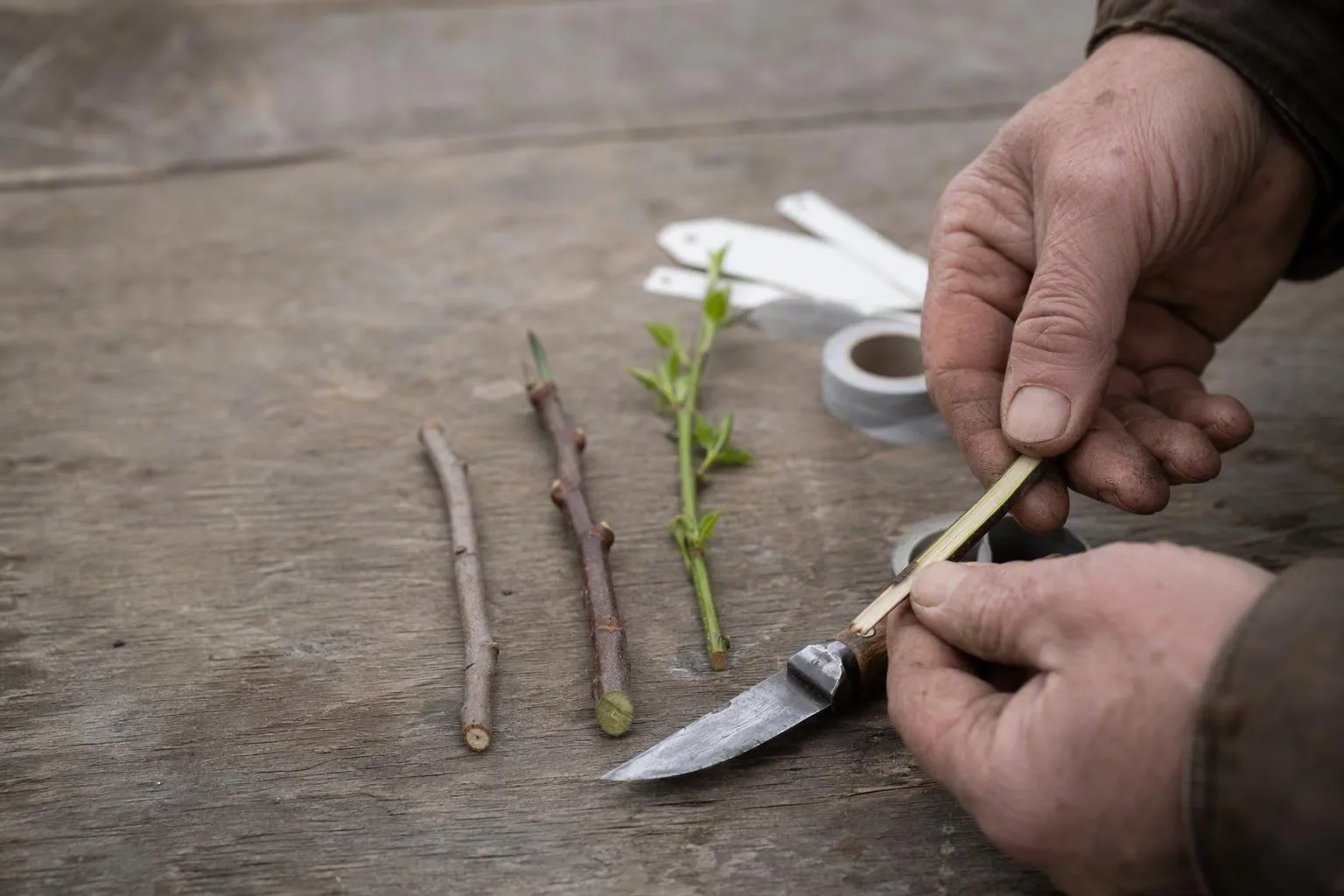
Grafting Techniques for Fruit Trees: Match the Cut to the Season
Choose the right grafting techniques for fruit trees by season, stem size, bark slip, cambium contact, and scionwood supply.
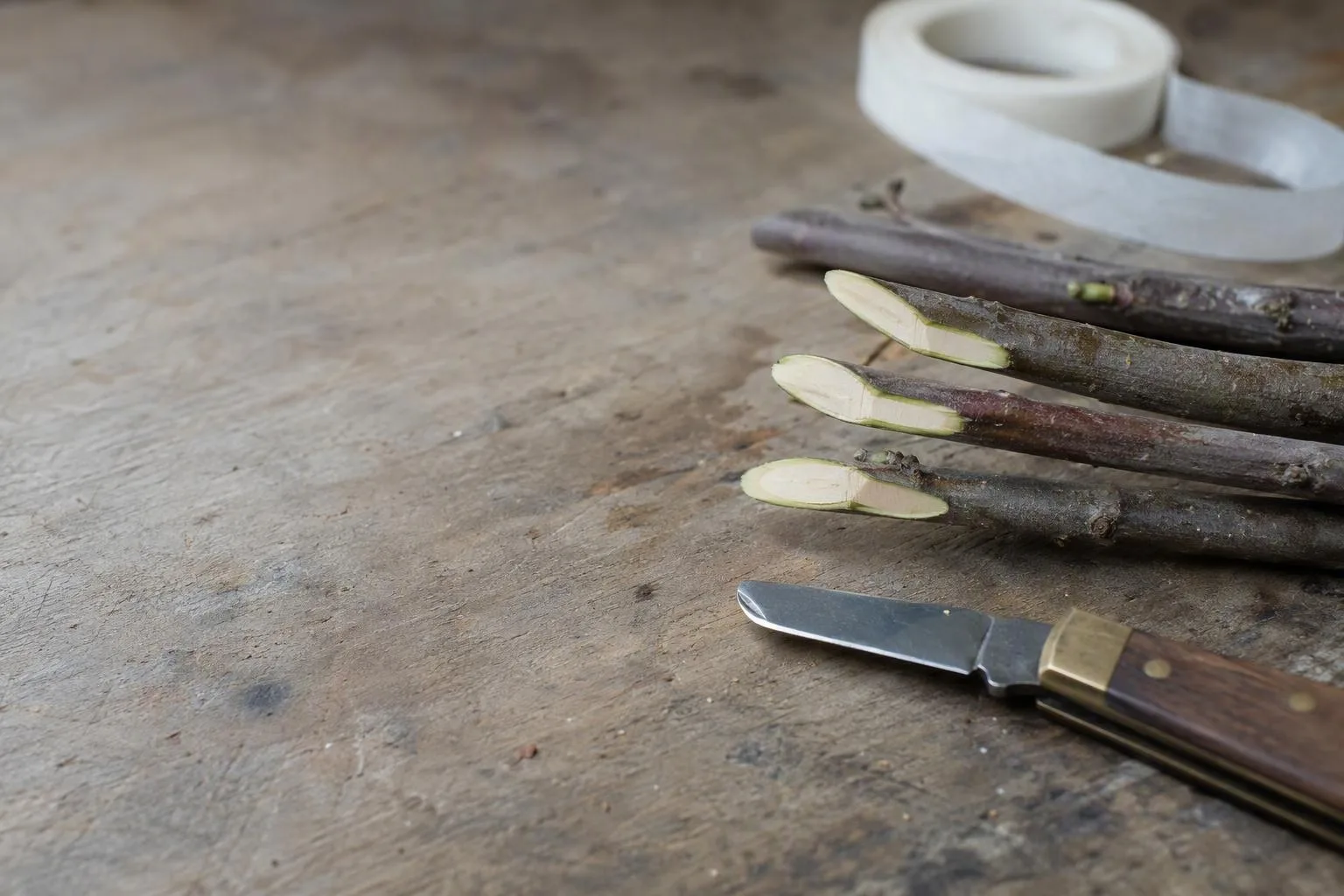
Grafting Trees: The 3 Cuts That Decide Whether They Take
Grafting trees with a whip-and-tongue method: make three clean cuts, align cambium, bind the union, and diagnose failure before trying again.
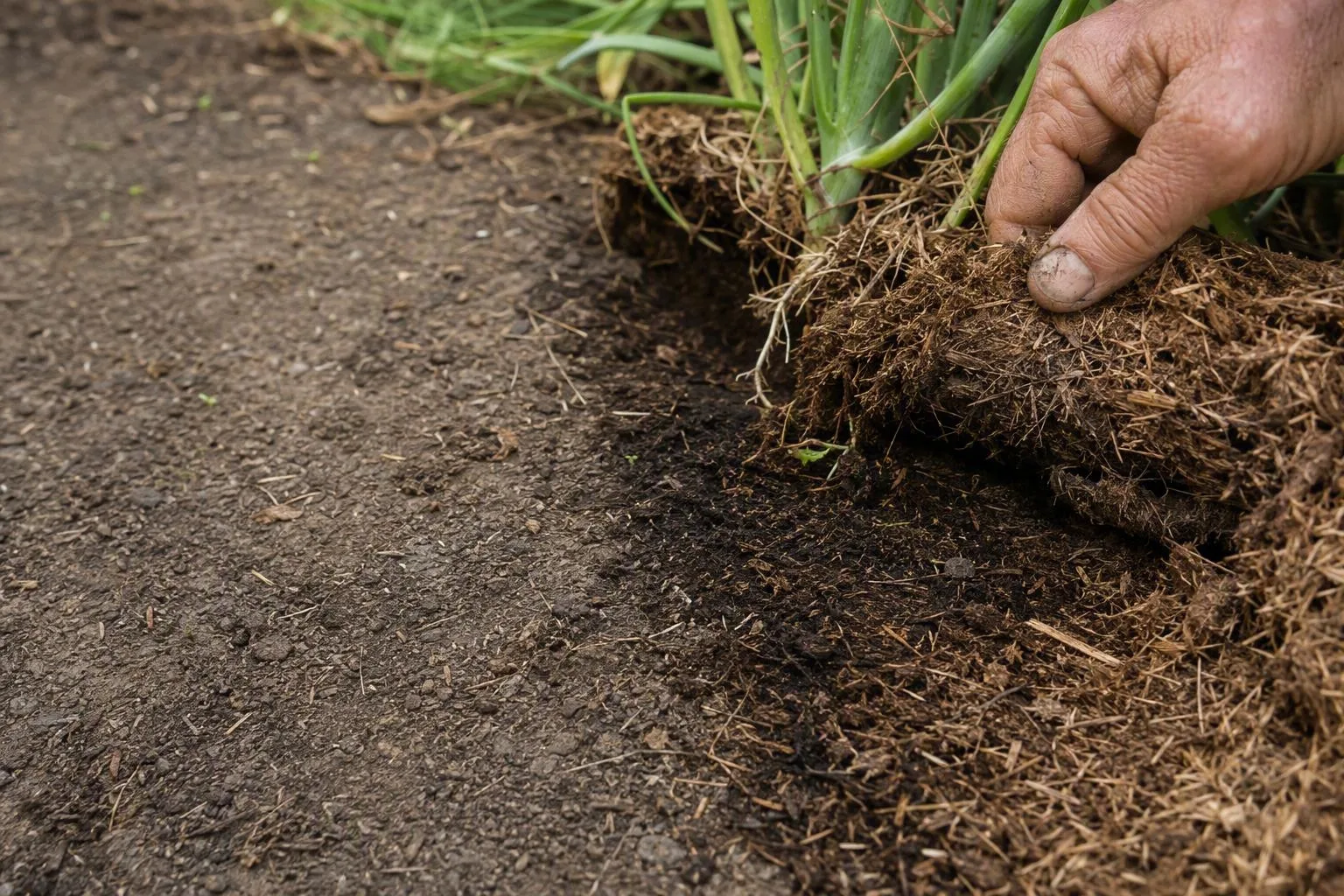
Mulching: What It Changes in Soil—and Where It Quietly Fails
Mulching changes moisture, temperature, structure and decomposition at the soil surface. Learn which materials help, where nitrogen tie-up starts, and
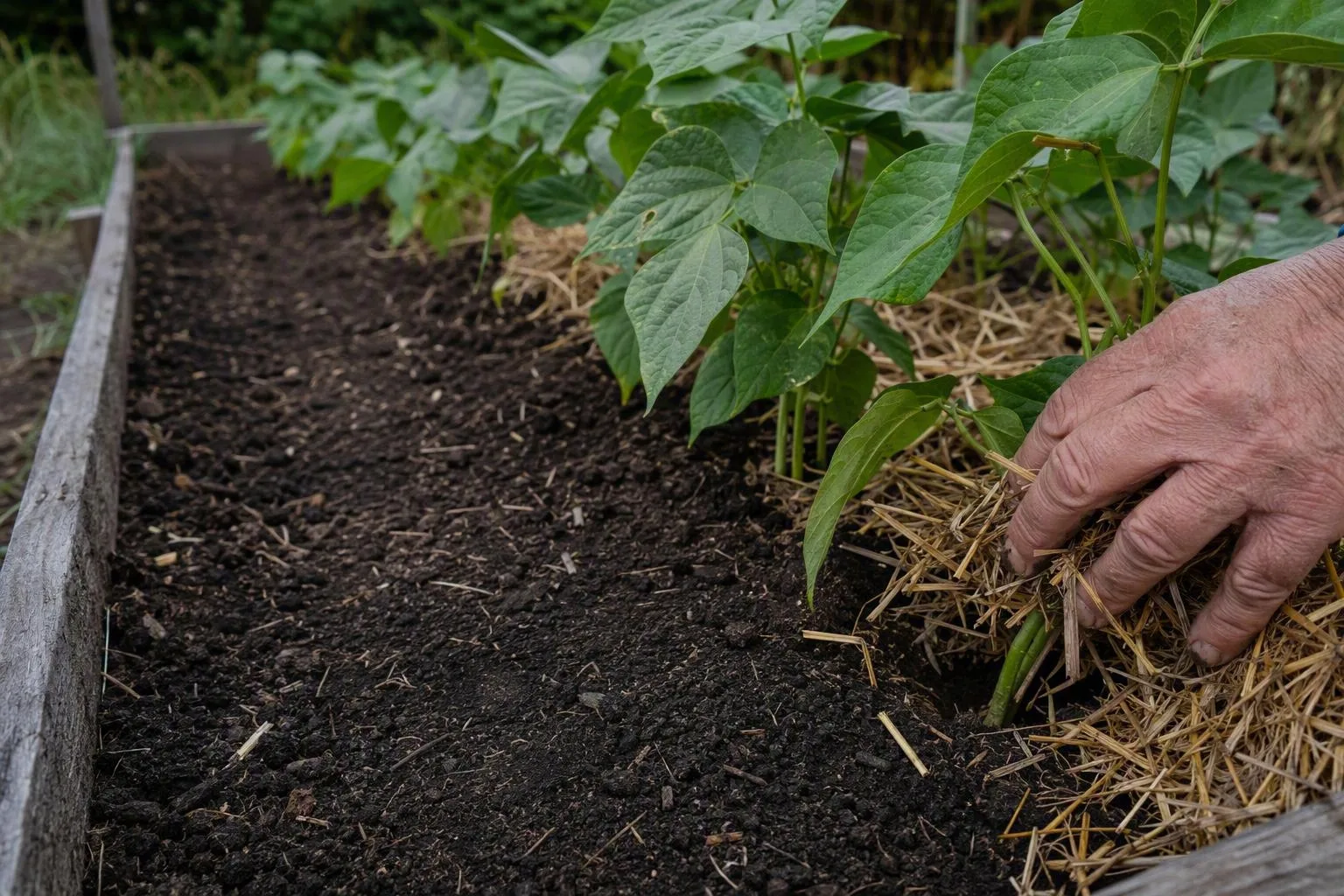
Mulching for Beginners: What to Use, When, and Why
Mulching for beginners: match straw, compost, leaves, chips, or gravel to the job, with seasonal timing, depth guidance, and failure fixes.
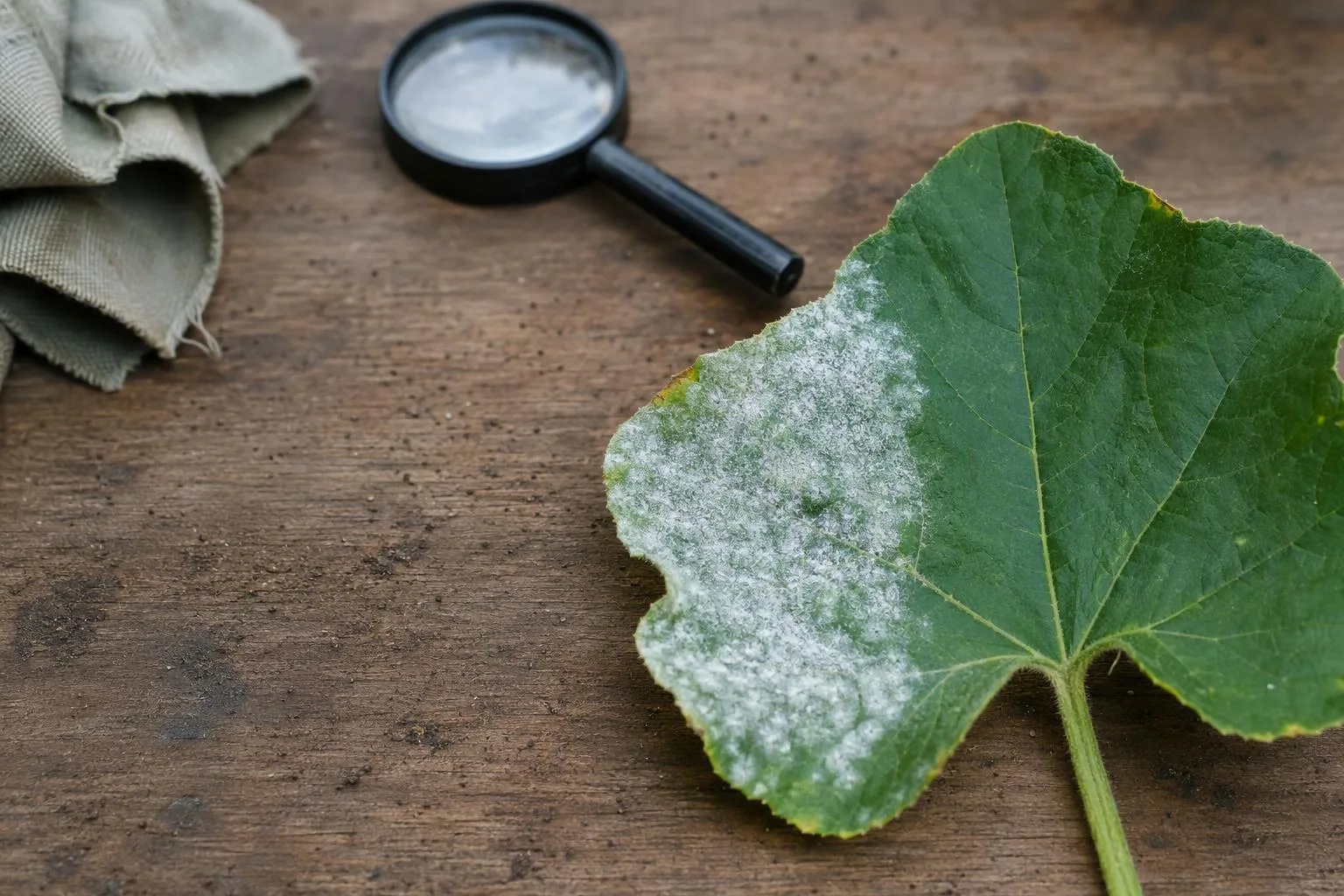
Powdery Mildew or Dust? Spot the Difference Before You Spray
Powdery mildew or dust? Use a wipe test, inspect both leaf surfaces, spot four lookalikes, and decide when treatment is justified.
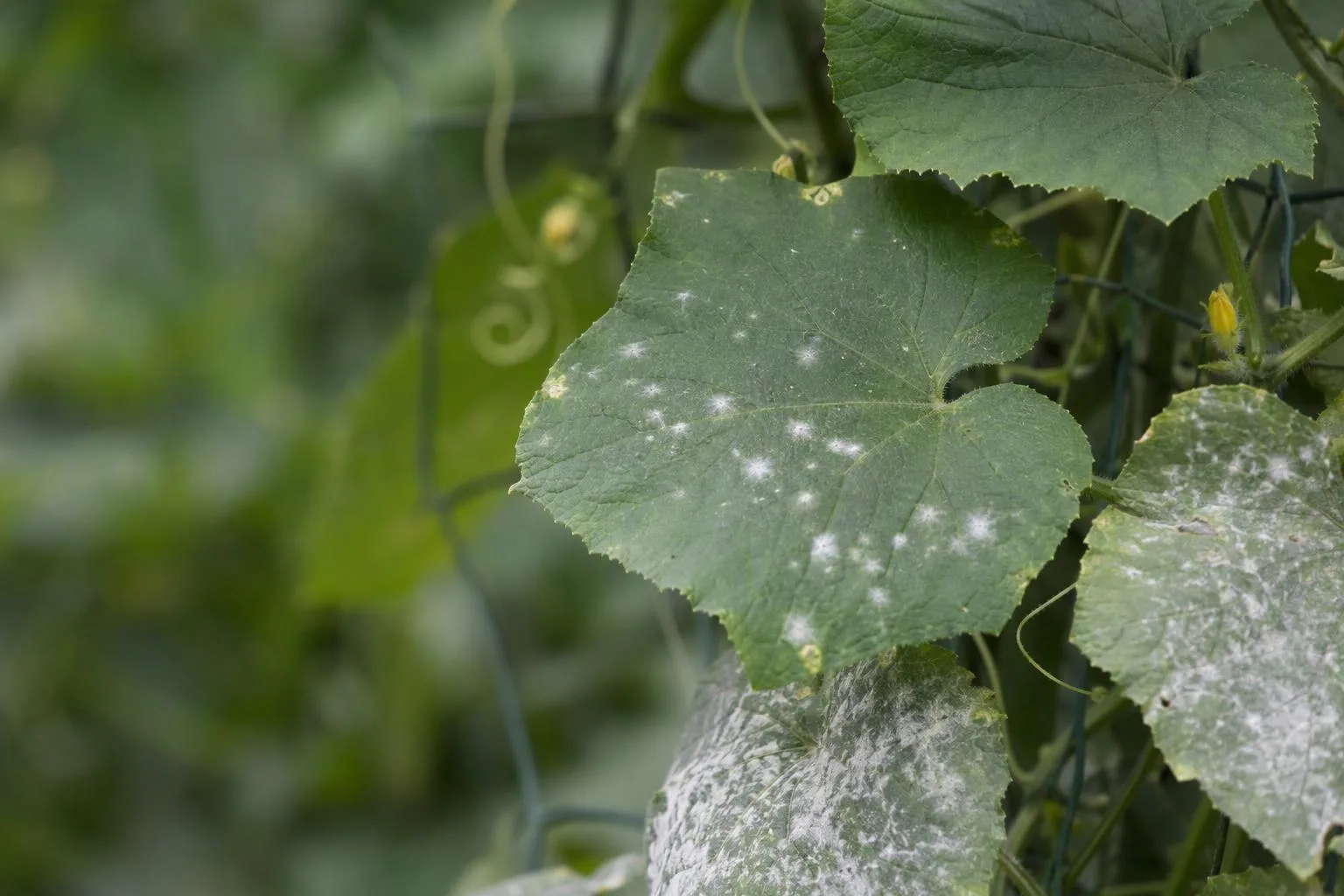
Powdery Mildew on Cucumbers: 3 Causes and What to Do
Powdery mildew on cucumbers has three practical drivers. Learn how to confirm it, remove affected leaves, treat safely, and prevent a second wave.
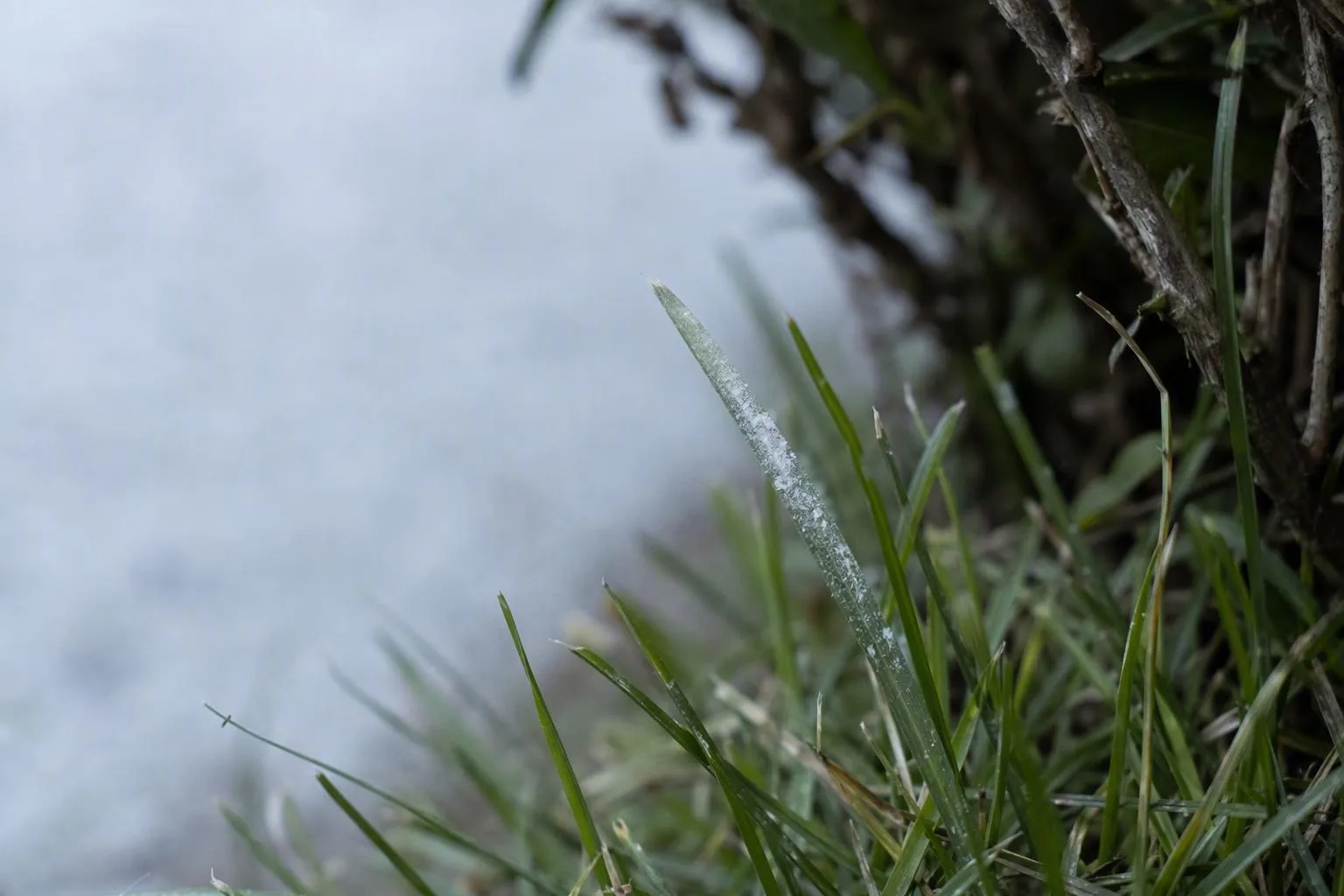
Powdery Mildew on Grass? Fix the Shade and Airflow First
Powdery mildew on grass usually points to shade and still air. Diagnose lookalikes, audit the site, adjust care, and know when to replace turf.
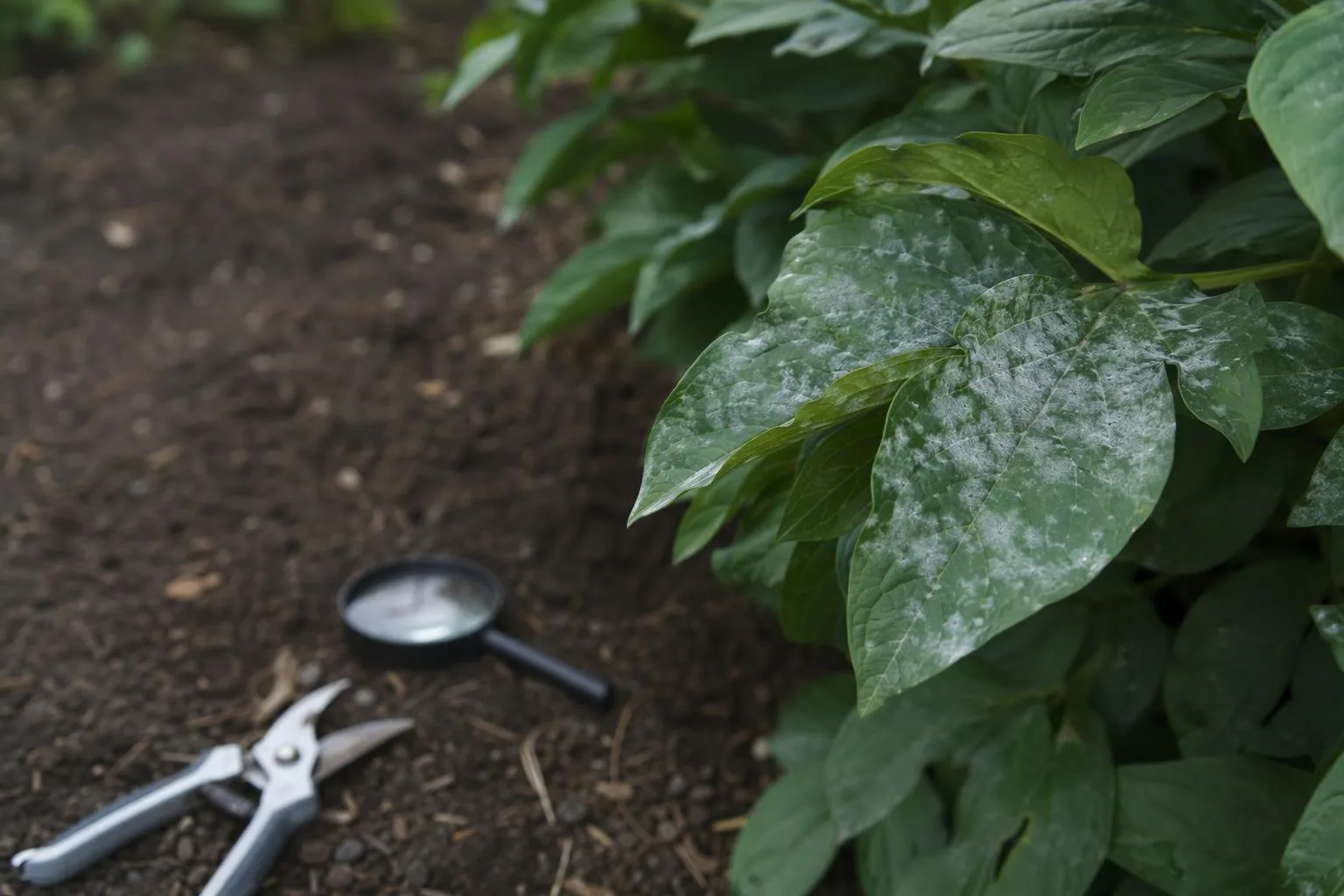
Powdery Mildew on Peonies: What Actually Works in Gardens
Powdery mildew on peonies is managed with diagnosis, sanitation, airflow, careful watering, and timed treatments. Learn what works and when to cut bac
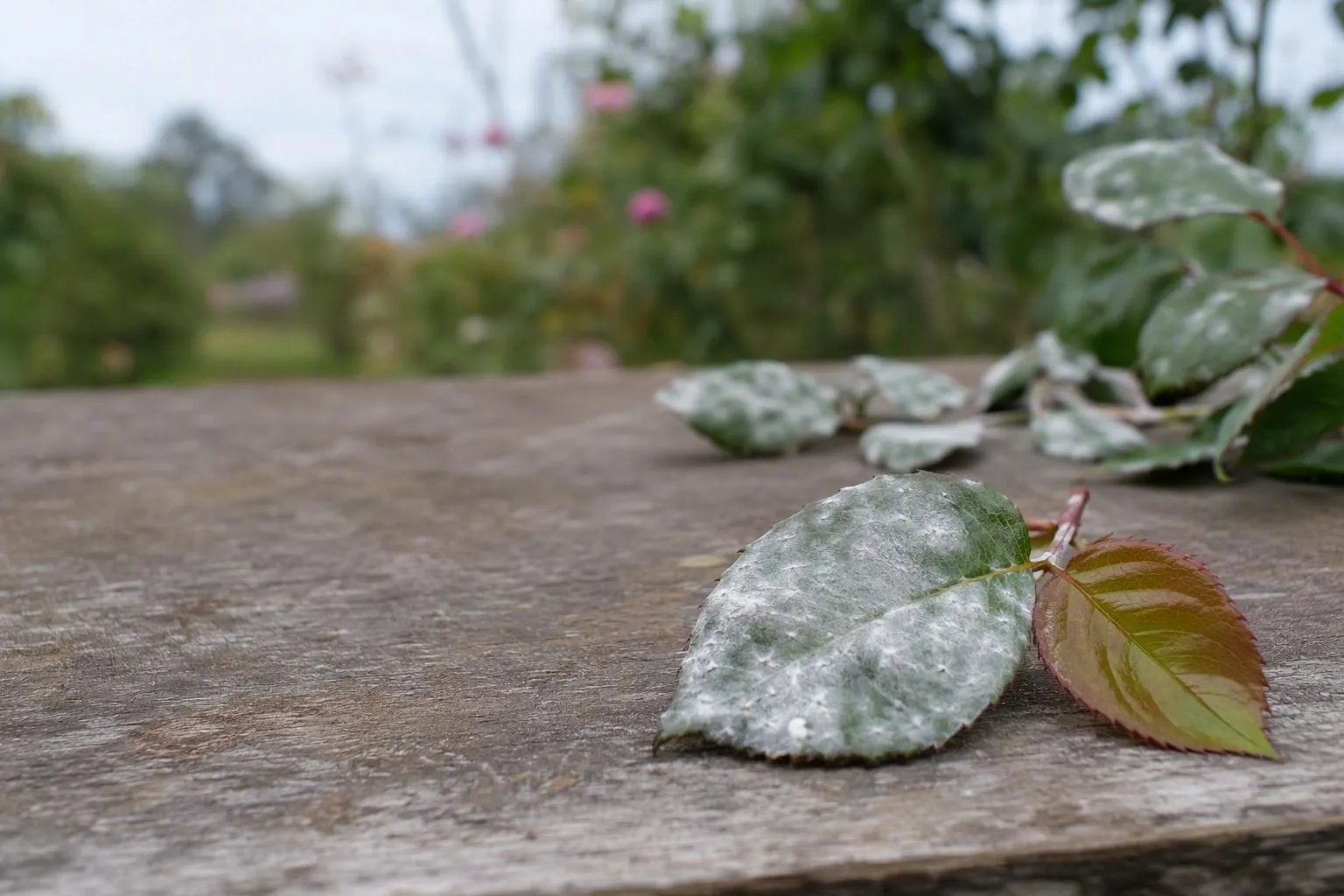
Powdery Mildew on Roses? 3 Lookalikes and the Right Fix
Powdery mildew on roses can resemble downy mildew, spider mites, or spray residue. Learn the visual checks and the right fix before treating.
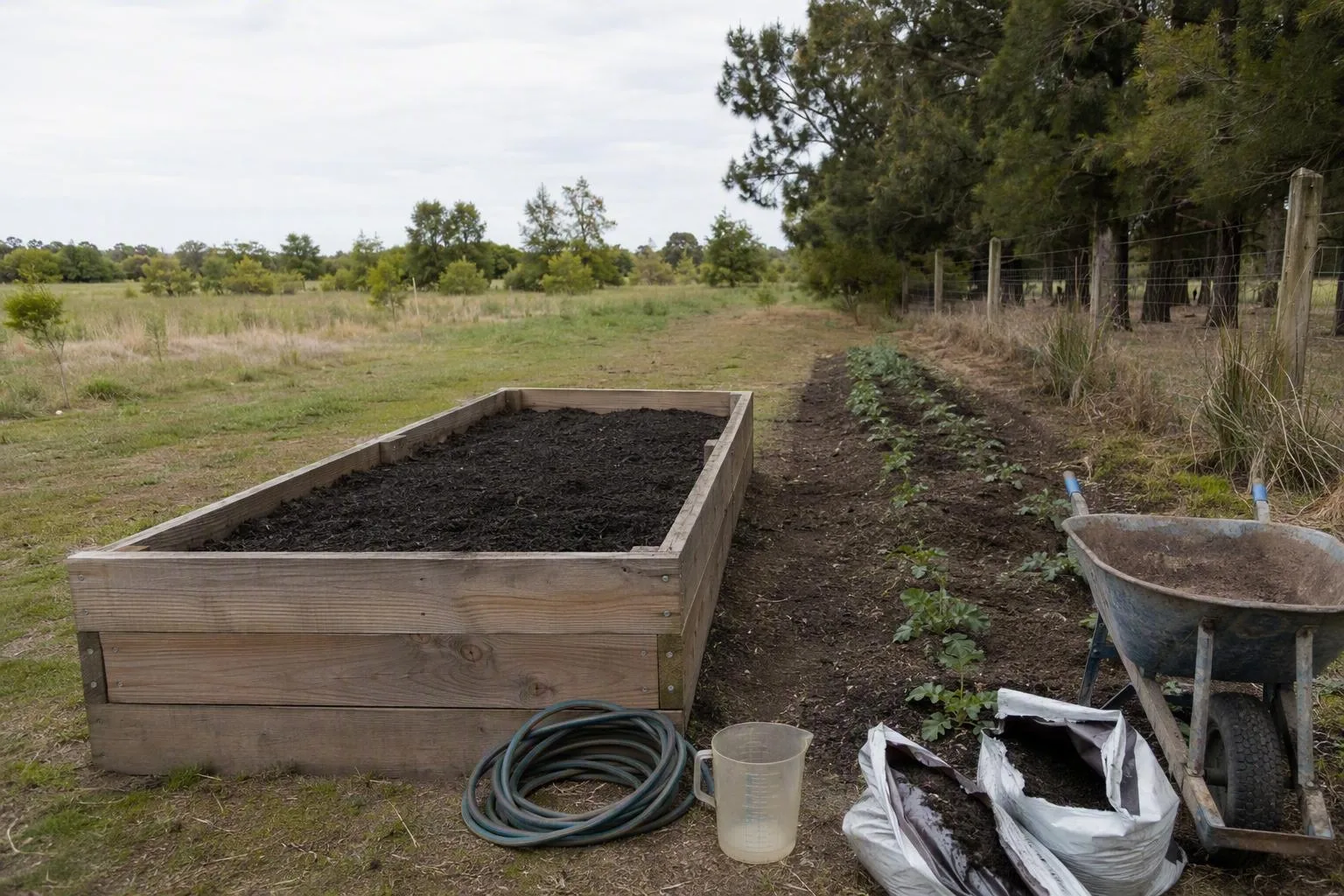
Raised Bed Costs: The Water and Soil Bill Before Payback
Raised bed costs include soil, water, mulch, labor, and repairs. Price a 4×8 bed, compare irrigation, and test whether it pays back.
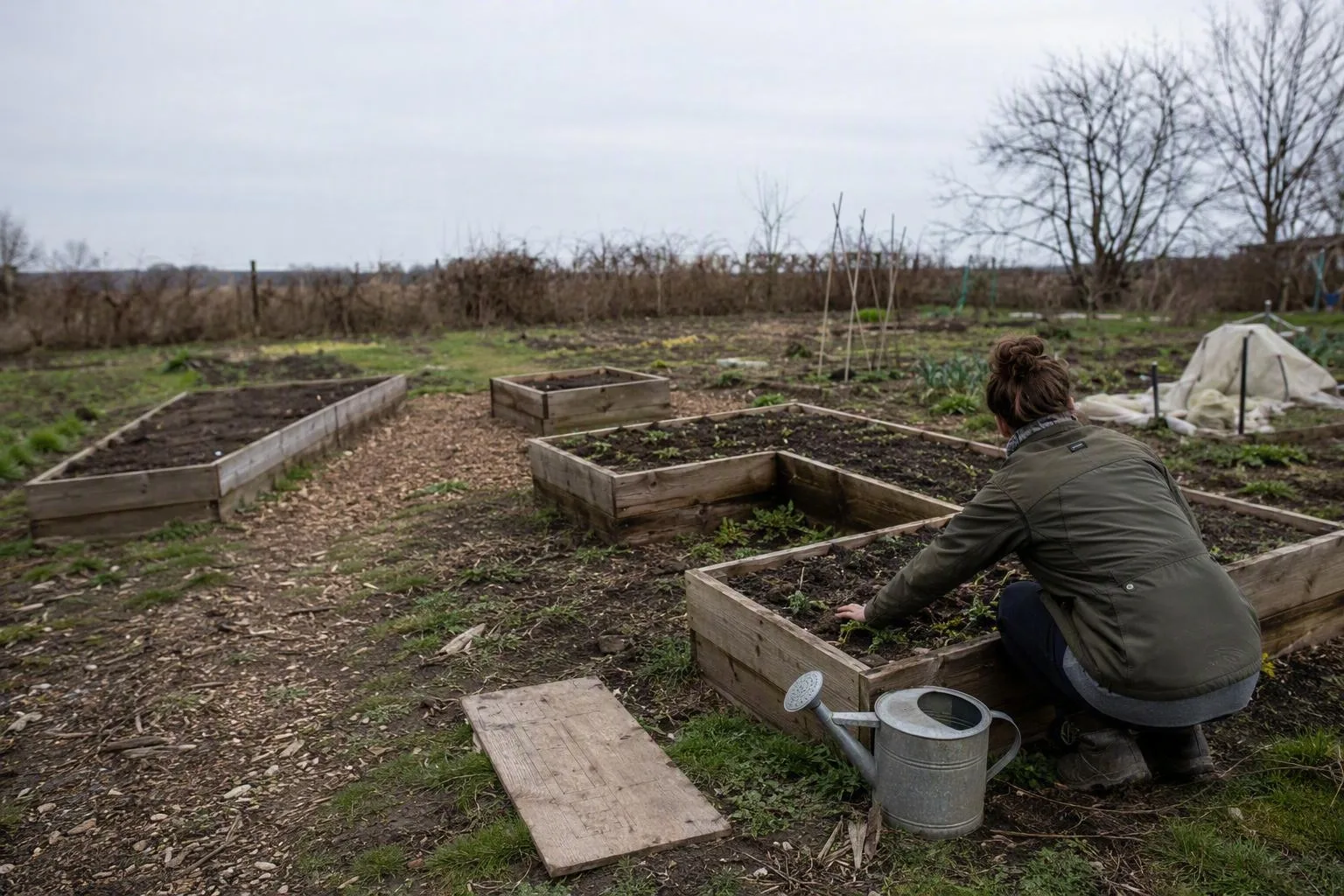
Raised Bed Garden Ideas: 11 Smart Layouts for Real Yards
Compare 11 raised bed garden ideas for real yards, from simple rectangles to slopes and accessible layouts, with dimensions, rotation, and irrigation
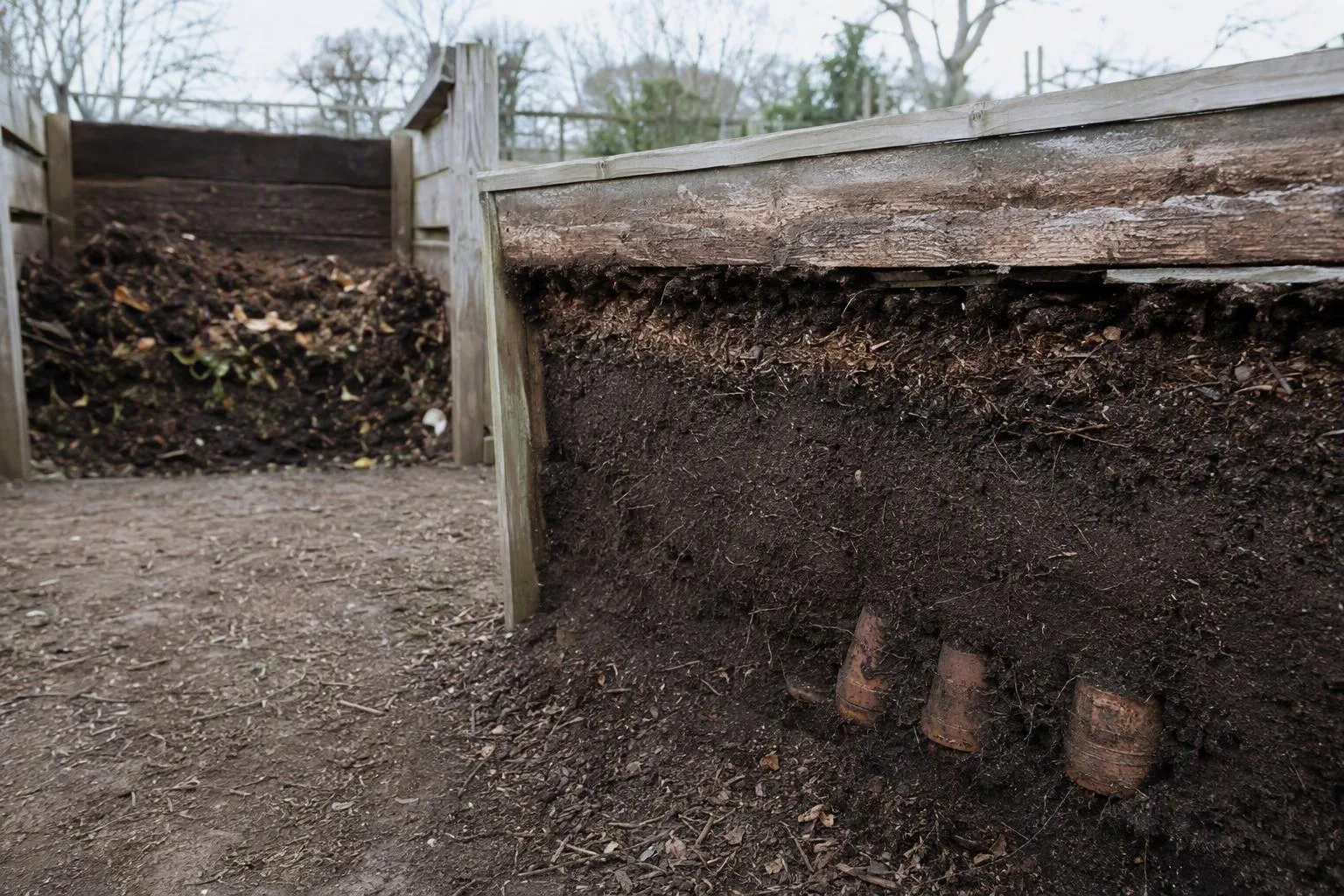
Raised Bed Garden Soil Ratios: A Better Mix for Vegetables
Build better raised bed garden soil with a 40:40:20 starting mix, symptom-based adjustments, drainage checks, and a practical three-season plan.
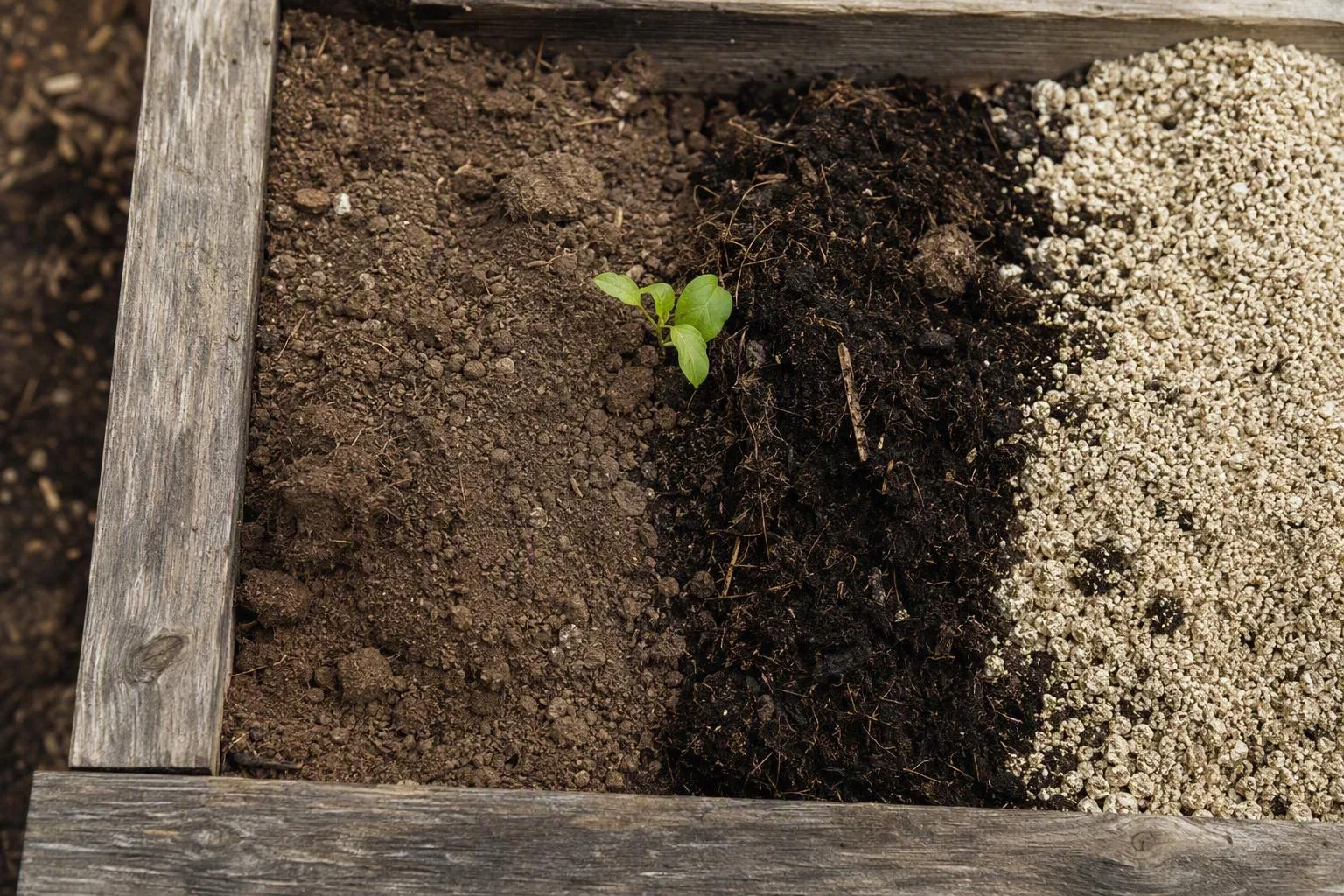
Raised Bed Soil Mix: The 3-Part Recipe That Holds Water
Build a raised bed soil mix that holds water without staying soggy. Use the three-part recipe, test texture, calculate volume, and fix failures.
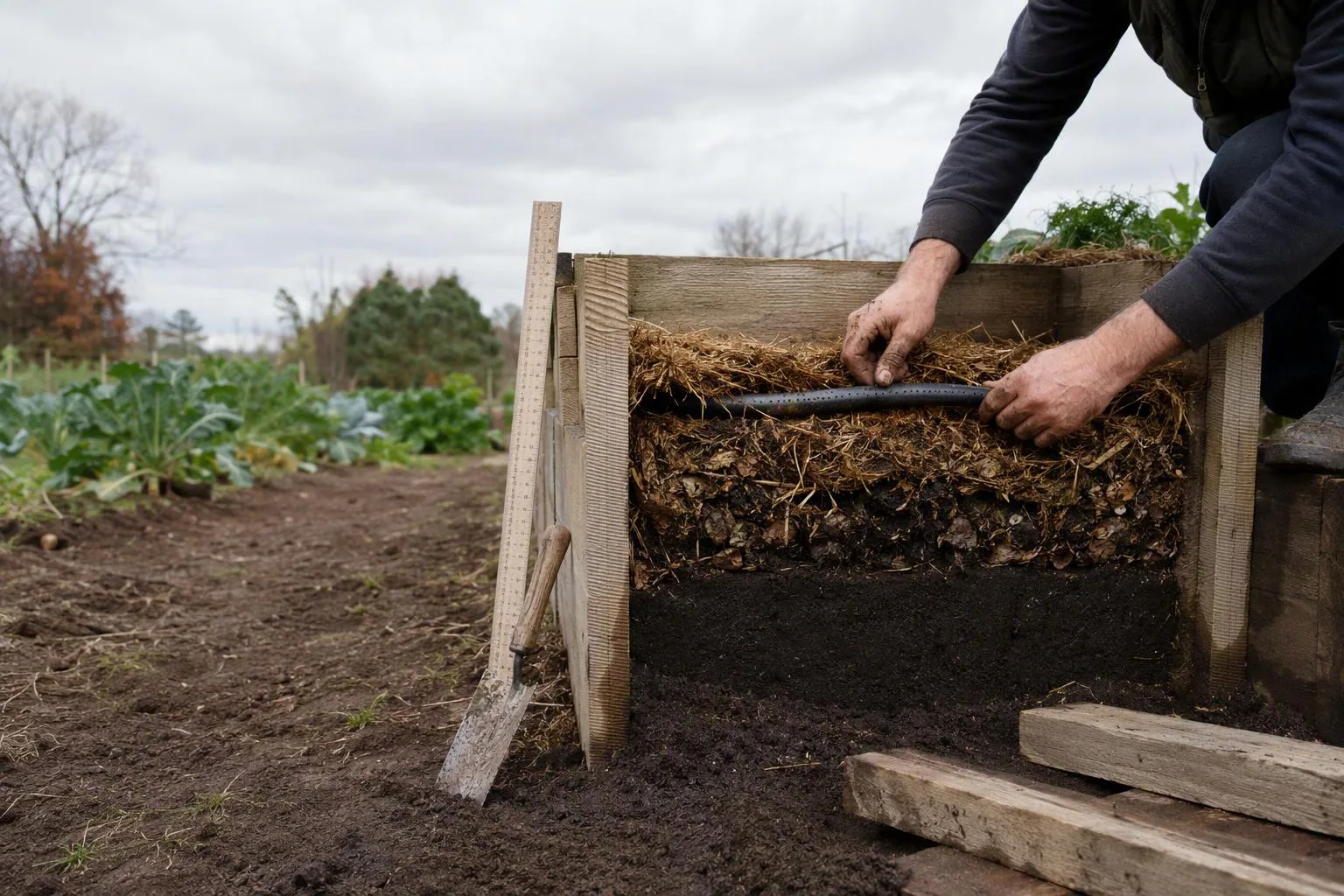
Raised Garden Bed DIY: Build One That Won’t Dry Out
Build a raised garden bed DIY project that holds moisture: choose the right depth, soil, mulch, materials, site, and irrigation without trapping water
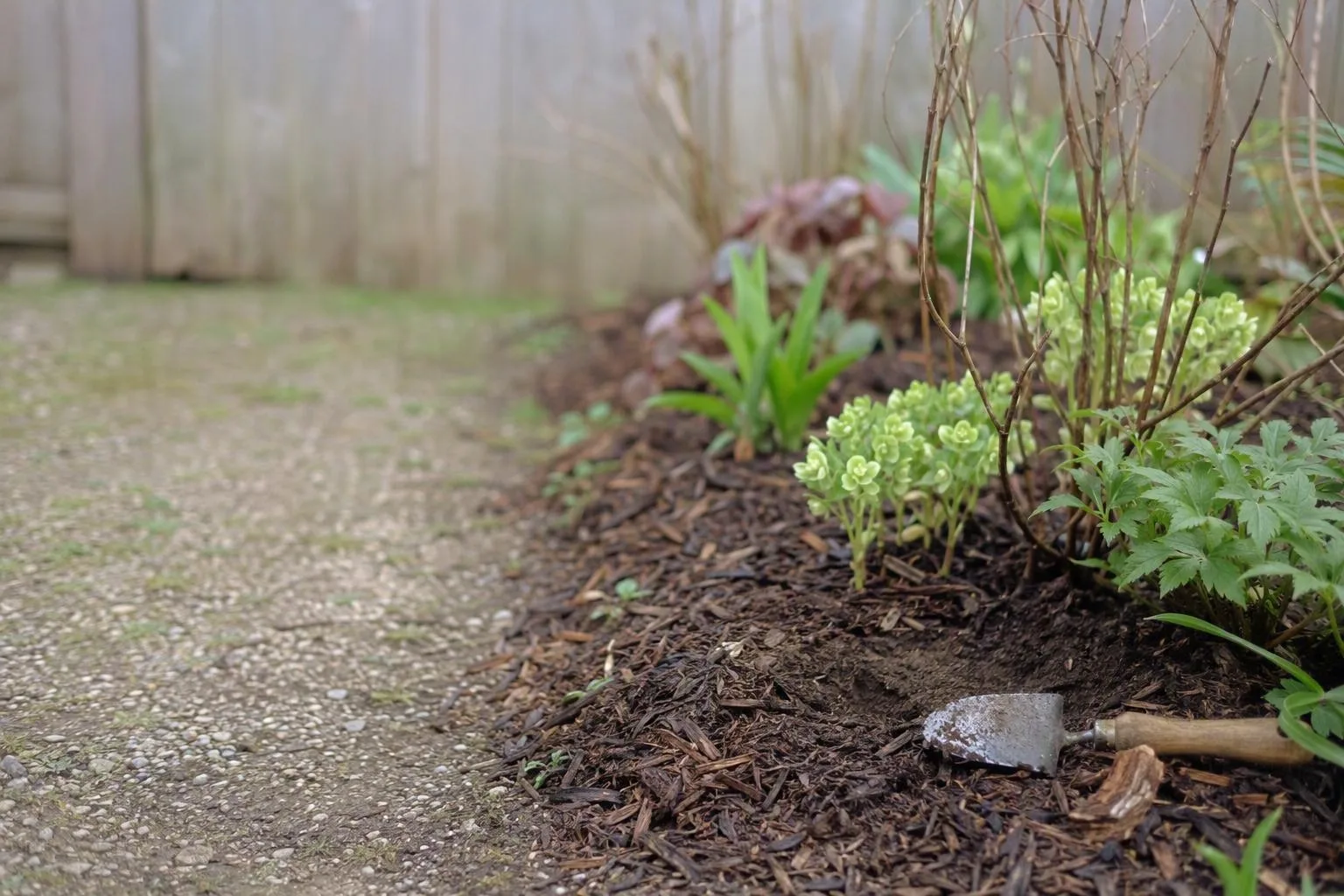
What Are the Downsides of Mulching? 6 Problems to Avoid
What are the downsides of mulching? Learn six mulch problems, from stem rot and nitrogen tie-up to slugs, cold soil, matting, and weeds.
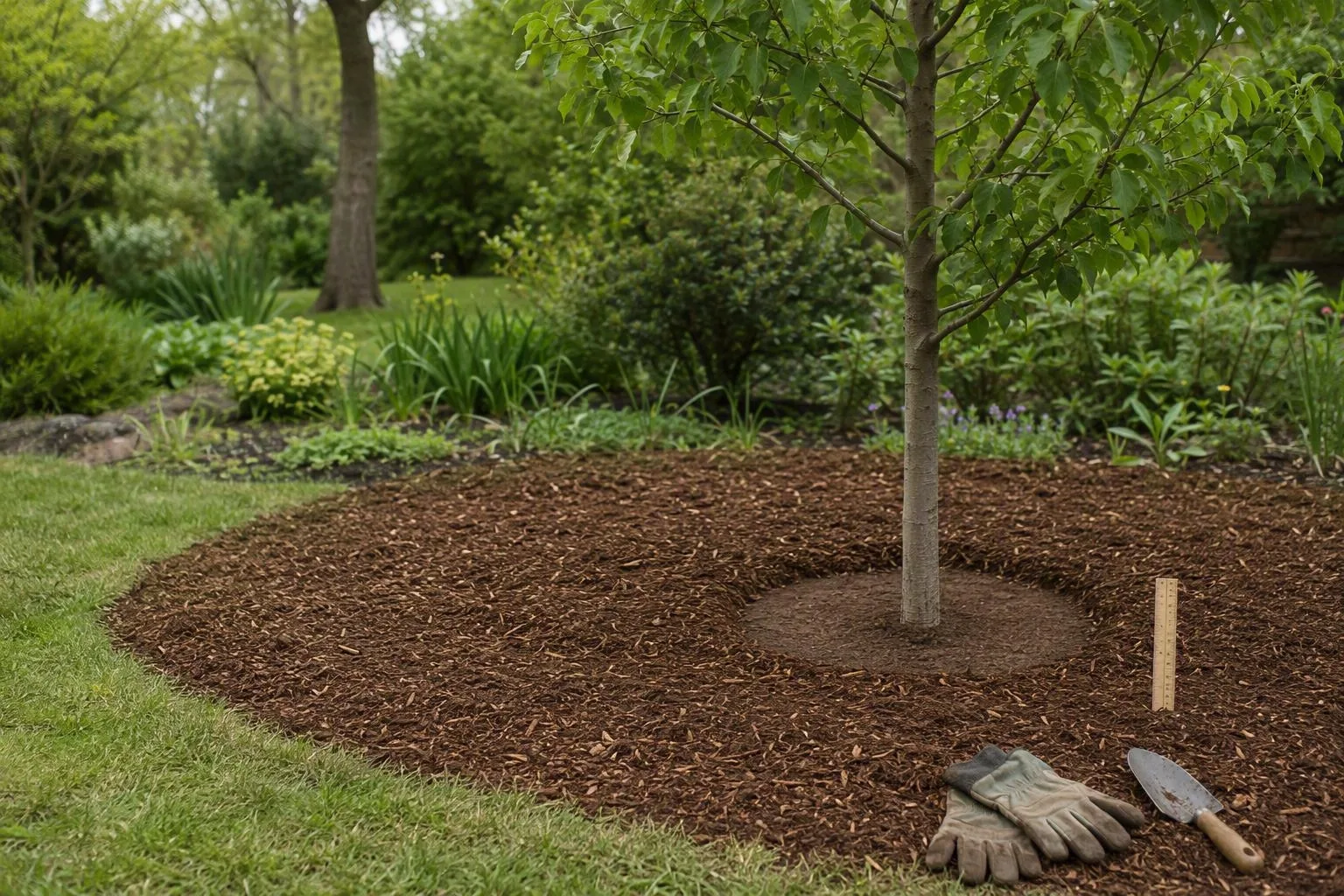
What Is the 3-3-3 Rule for Mulch? The Safe Setup
Learn what the 3-3-3 mulch rule means: three inches deep, three inches clear of stems, and a safe three-foot tree ring.
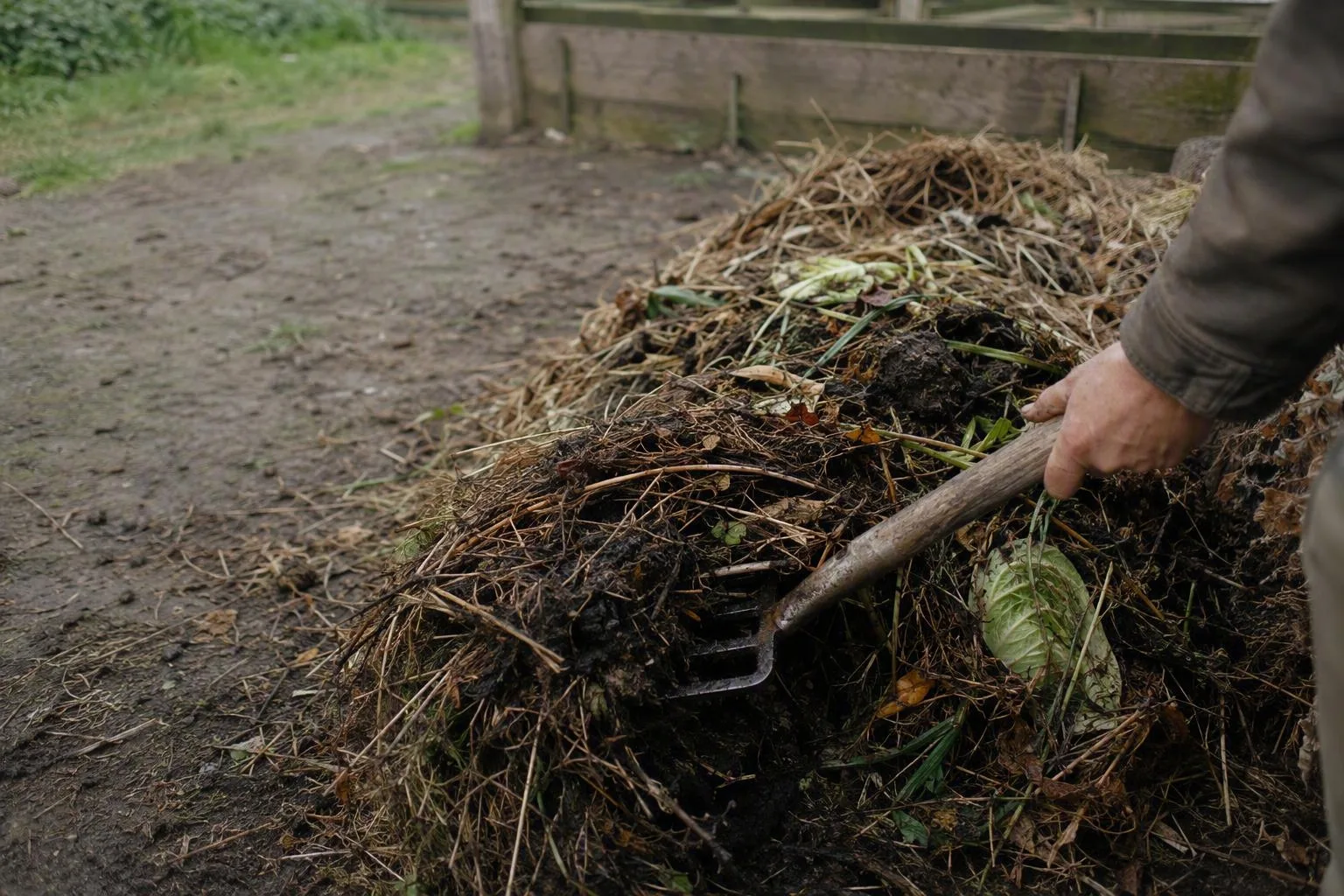
What Is the First Rule of Composting? Balance the Mix
What is the first rule of composting? Balance browns, greens, moisture, and air. Diagnose smells, cold piles, wet mats, and stalled heaps.